Studio · 7 min
Give the sentence room to breathe
Why Hikari begins with a blank measure, a closed door, and a lamp that will not finish the page for you.

Aoi Mori
August 12, 2026
The first hour of a writing day is usually spent defending the page from the rest of the house. Notifications. Tabs. A model that would like to complete the thought before you have had it.
Hikari is built against that hour. The studio opens on a measure wide enough for a sentence, and nothing else is allowed in until you open a shutter.
A room is not a feature
Most language tools present themselves as a surface with capabilities stacked around it. Chat. History. Agents. A sidebar that knows what you were doing yesterday.
A room is simpler, and stricter. You enter. You write. You leave. The lamp can be asked to look at a paragraph. It cannot follow you into the kitchen.
When we designed the first studio, we removed the transcript. Writers kept treating it as the work. The page has to remain the work.
Light instead of volume
A megaphone fills a street. A lamp fills a table. The difference is not politeness. It is scale.
Hikari will highlight a claim that has no source. It will ask whether two sentences are doing the same job. It will hold a plainer verb in the margin. It will not generate a section you have not asked for, and it will not congratulate you for typing.
If that sounds slow, it is. Speed belongs to the hands. Judgment belongs to the person who will put a name on the page.
What we kept empty
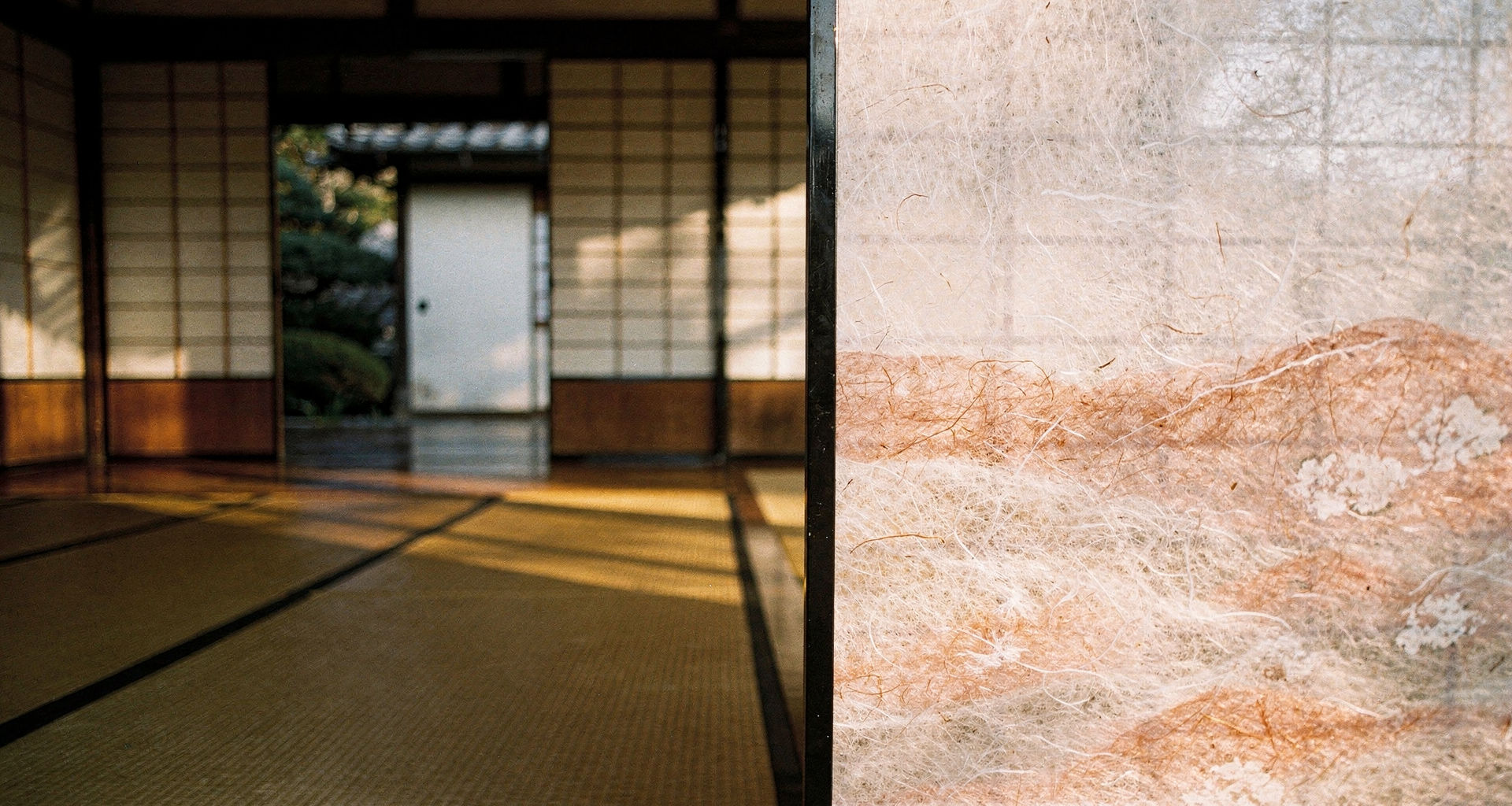
The morning room in the photograph is not a metaphor we added later. It is the product. A table. A sheet. Light that has to travel to reach the paper.
Empty is not the absence of software. Empty is a decision about what the software is allowed to be.